In the fast-changing world of cars, keeping an eye on your battery health is more important than ever. A Battery Drain Testercan be a real game-changer when it comes to checking your battery. John Smith from AutoTech Solutions puts it simply: "A good Battery Drain Tester can end up saving you a ton of time and cash." Honestly, a lot of car folks tend to ignore testing their batteries until something goes wrong—that’s when they realize how crucial it is.
Having a Battery Drain Tester handy means you can spot potential issues early on. It tests how well your battery keeps a charge under different conditions. But here’s the thing: if you don’t use it right, the results might be totally off. That’s why it’s so important to understand how to handle the tool properly.
Factors like outdoor temperature and how old your battery is can really influence the readings you get. Sometimes people overlook these little details and misread the results. So, following clear guidelines is key to avoiding mistakes. If you want your vehicle to stay reliable, a Battery Drain Tester is pretty much essential. Just remember, use it carefully and pay attention to the details—those small things can make a big difference.
Definition of a Battery Drain Tester
A battery drain tester is a useful tool for diagnosing battery health. It allows users to check how efficiently a battery operates under load. The device simulates real-world conditions. By applying a specific load, it measures the battery's voltage drop. This helps in determining if the battery can deliver the necessary power when needed.
The tester is especially valuable for deep cycle batteries, which often power recreational vehicles and marine applications. Over time, these batteries may experience capacity loss. A Battery Tester For Deep Cycle Battery can help identify problems before they become serious. It can reveal if the battery is holding a charge or if it needs replacing.
Many people overlook the importance of regular testing. They assume the battery will work fine. This can lead to unexpected failures. Battery Testers provide clear feedback, although interpreting the results can be tricky for some. Users should take the time to understand their tester. It’s not just about checking voltages; it’s about assessing overall battery health.
Components of a Battery Drain Tester
A battery drain tester is a crucial tool for assessing the health of batteries in various devices. Its main function is to measure the discharge rate of a battery under load. This process helps determine whether a battery can perform effectively. The tester gauges how quickly a battery loses power when subjected to a standard load. This allows users to identify weak or failing batteries before they lead to device malfunctions.
The components of a battery drain tester are relatively simple yet effective. Typically, it includes a voltage display to show the battery's output voltage. There may also be a load resistor, which applies a specific load to the battery during testing. A switch is often present to start or stop the test. Connecting wires allow easy attachment to the battery terminals. Some devices feature an LED indicator for visual cues, enhancing user experience. While setting up can sometimes be tricky, understanding these components is vital for accurate assessments.
Using the tester requires caution. The actual load applied should align with the intended use of the battery. Improper loading could yield misleading results. Users should carefully consider the environment in which they test. Factors like temperature and humidity can influence battery performance. While a battery drain tester simplifies monitoring, experience with its operation is essential for meaningful insights.
How a Battery Drain Tester Functions
A battery drain tester is a crucial tool for assessing the health of batteries. It measures how much current a battery can deliver before it reaches a critical level. The device creates a controlled load, simulating real-world conditions. This way, technicians can identify if a battery is capable of holding a charge effectively.
When using a drain tester, the technician connects it to the battery terminals. The tester then applies a specified load. This load could range from 10 to 20 amps, depending on the battery type. Reports show that up to 30% of batteries in vehicles fail due to capacity issues. Regular testing can prevent unexpected breakdowns and extend battery life.
Data from various industry studies indicate that improper battery maintenance costs consumers billions annually. A faulty battery can lead to higher energy consumption and component failures. The drain tester helps catch these problems early. However, not all testers are equal. Some may struggle under certain conditions, failing to provide accurate readouts. Investing in a reliable tester is essential for consistent performance and reliable outcomes.
What is a Battery Drain Tester and How Does It Work? - How a Battery Drain Tester Functions
| Feature | Description | Importance |
| Voltage Measurement | Measures the voltage level of the battery. | Determines the health of the battery. |
| Load Testing | Applies a load to simulate real-world conditions. | Assesses performance under strain. |
| Current Draw Testing | Measures the current output under load. | Identifies excessive drain or short circuits. |
| Battery Capacity Assessment | Estimates how long the battery can perform under specified conditions. | Ensures reliability for critical applications. |
| Digital Display | Provides clear readings of voltage and current. | Facilitates easy understanding of battery status. |
Steps to Use a Battery Drain Tester
Using a battery drain tester can be vital for maintaining battery health. To begin, gather the necessary tools: a battery drain tester, safety gloves, and a multimeter. This process ensures accuracy. Keep your workspace organized to avoid accidents.
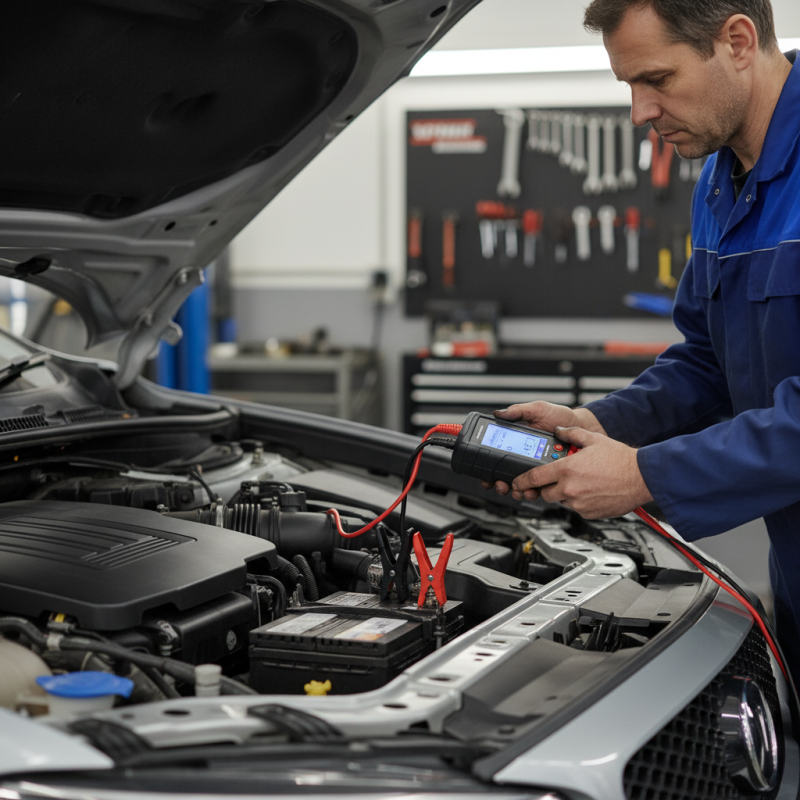
Connect the tester to the battery. Make sure the connections are secure. A loose connection can lead to incorrect readings. Observe the tester display carefully. It should show how quickly the battery loses charge under load.
According to industry reports, batteries can lose up to 30% of their initial capacity after three years.
After monitoring, disconnect the tester. Record the results. This data is valuable for understanding battery performance. If the drain is excessive, it may indicate an issue with the battery or the vehicle's electrical system. Remember, this equipment can help identify problems but isn’t foolproof.
Consider consulting a professional when uncertain. Using a High Voltage Battery Tester can provide deeper insights into battery issues beyond basic testing.
Common Issues Detected by Battery Drain Testers
Battery drain testers are valuable tools for identifying common battery issues. These devices efficiently measure how much power a battery uses over time. Issues detected often include excessive parasitic draw, which can drain a battery unexpectedly. This can happen if accessories are left on, or if there is a fault in the vehicle's electrical system.
Many people overlook signs that indicate a battery is failing. A battery that struggles to start the engine reveals potential problems. Additionally, accessories like GPS or an emergency light can contribute to battery drain. When ignored, these issues can lead to total battery failure. Regular testing using a battery drain tester can detect these problems early. It allows users to replace or repair before they cause significant trouble.
Using an Emergency Light Battery Tester can provide even more insights. It can pinpoint how well a battery holds charge under stress. This is crucial for ensuring reliability, especially in emergencies. Identifying weak batteries early prevents being stranded. Regular maintenance and testing may seem tedious, yet it can save time and hassle later on.
Benefits of Using a Battery Drain Tester
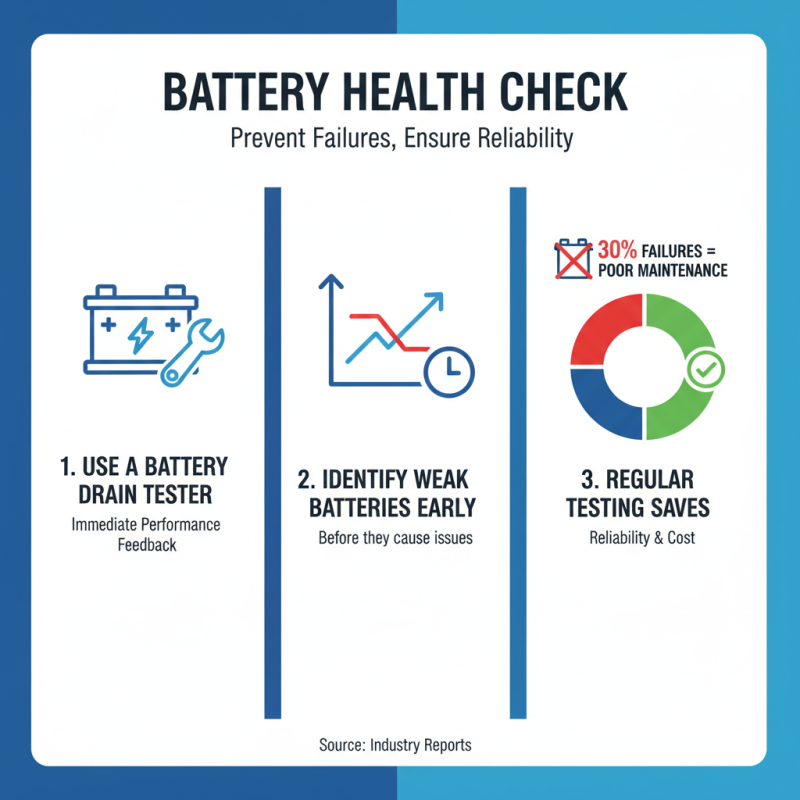
A battery drain tester is essential for evaluating battery health. It provides immediate feedback on a battery's performance under load. Using this tool helps identify failing batteries before they cause issues. Reports indicate that nearly 30% of all battery failures are due to poor maintenance and failure to test regularly.
Benefits are substantial. A battery drain tester can prolong the lifespan of batteries. Regular testing can detect early signs of degradation. A study found that proactive testing reduces unexpected failures by up to 40%. This translates into significant cost savings over time. Users often find that immediate results allow quick decision-making.
In practice, battery drain testers are crucial for fleet management and personal use. Without them, battery-related issues can arise unexpectedly. Neglecting to test can lead to larger maintenance costs. Monitoring battery health ensures reliability, especially in critical applications. The use of testers enhances overall safety and efficiency, particularly in industrial settings. However, not every battery is tested regularly, leading to missed opportunities for improvement.
Maintenance Tips for Battery Drain Testers
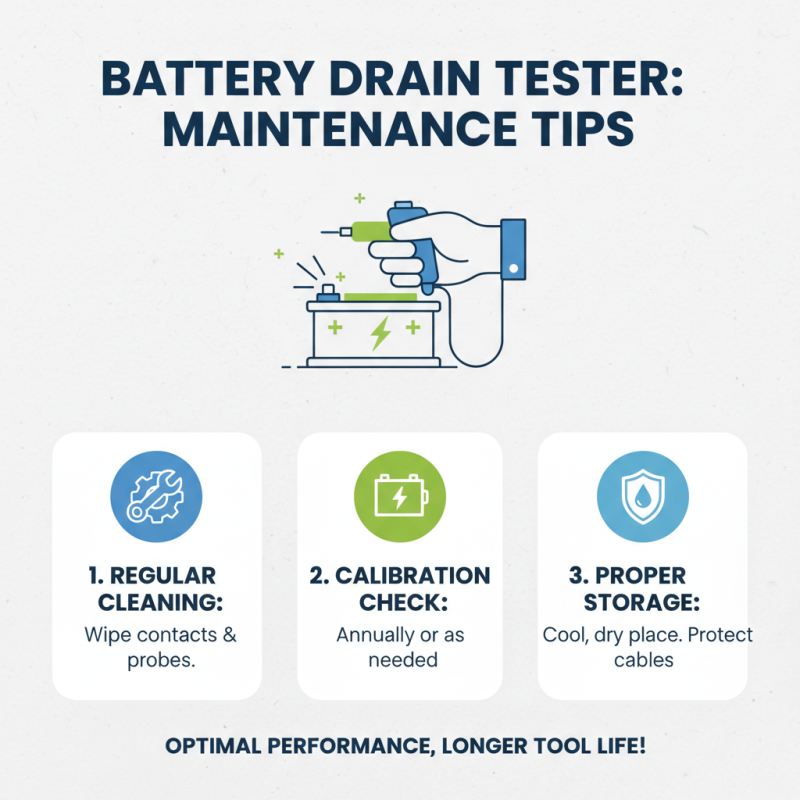
Battery drain testers are essential tools for maintaining optimal battery performance. Regular upkeep ensures accurate readings and prolongs the life of your testing tool. Here are a few maintenance tips to keep your battery drain tester in top shape.
Keep the tester clean. Dust and debris can interfere with accuracy. Wipe the exterior with a soft, dry cloth. If the device has any exposed contacts, make sure they are free from corrosion. Check these connections frequently. Corrosion can hinder performance. If any buildup is found, gently clean it with a suitable non-abrasive cleaner.
Store your tester properly. Avoid exposing it to extreme temperatures. Keeping it in a dry place can protect sensitive components. It’s better to store it in a padded case. This prevents damage during transport. Use your battery drain tester regularly. Infrequent use can lead to battery degradation in the tool itself, affecting its reliability over time.
Being mindful of these details ensures your Tool It Battery Tester works efficiently. Routine checks improve accuracy and prolong the device's life. Investing time in maintenance pays off in reliable results.
Innovative Solutions for Efficient 40-Channel Battery Charging and Discharging Testing in Integrated Cabinet Designs
The evolution of battery technology has brought forth the necessity for advanced testing solutions, particularly in the context of integrated cabinet designs. The innovative approach to 40-channel battery charging and discharging testing is paramount in optimizing performance and reliability in energy storage systems. Recent industry reports indicate that the demand for efficient testing systems has surged, with a projected compound annual growth rate (CAGR) of 8.5% from 2023 to 2030. This trend underscores the urgency for precise and dependable testing methodologies that can keep pace with the rapid advancements in battery technology.
The 40-Channel Battery Testing System is engineered specifically for this purpose, ensuring real-time data monitoring and comprehensive data logging. By continuously tracking critical parameters such as voltage, current, temperature, and capacity throughout the testing cycles, it helps facilitate informed decision-making and enhances the overall reliability of battery performance. Studies have demonstrated that rigorous testing protocols can extend battery lifecycle by up to 30%, significantly reducing operational costs and improving energy efficiency.
Incorporating sophisticated data management systems not only enables seamless storage of testing data but also enhances analytical capabilities. As organizations within the energy sector seek to improve their battery systems, leveraging advanced testing solutions that marry precision and reliability will be crucial. As the industry continues to prioritize sustainability and efficiency, the role of innovative battery testing systems will undoubtedly expand, promoting a cleaner energy future.
FAQS
: A battery drain tester checks how well a battery operates under load. It simulates real-world conditions.
Regular testing helps prevent unexpected battery failures. Many people assume their battery is fine without checking.
It can find excessive parasitic draw and weak batteries. Ignoring these can lead to significant problems later.
The tester applies a specific load to the battery. It measures the voltage drop during this process.
It usually includes a voltage display, load resistor, and connecting wires. Understanding these components is important.
Yes, factors like temperature and humidity influence battery performance. Always consider the environment when testing.
A struggling battery may indicate underlying issues. Regular testing can help identify if replacement is necessary.
Not necessarily. Some users find it tricky to interpret the results. Taking time to understand is crucial.
Improper loading can produce misleading results. It’s important to align the load with the intended use of the battery.
Use a battery drain tester regularly. It can reveal if a battery is holding a charge or needs replacing.
Conclusion
A Battery Drain Tester is a specialized tool designed to evaluate the performance and state of a battery by measuring its ability to hold a charge under load. It typically consists of a load resistor, a voltmeter, and connecting leads. By applying a controlled load to the battery, the tester assesses how voltage drops during the discharge, providing insights into the battery's health.
Using a Battery Drain Tester involves connecting it to the battery terminals and observing the voltage readings as the load is applied. Common issues detected include excessive internal resistance and poor capacity, which can indicate the need for replacement. The benefits of using such a tester include accurate diagnostics, helping to extend battery life through timely interventions. Regular maintenance of the tester itself ensures its reliability and longevity for effective use in battery management.

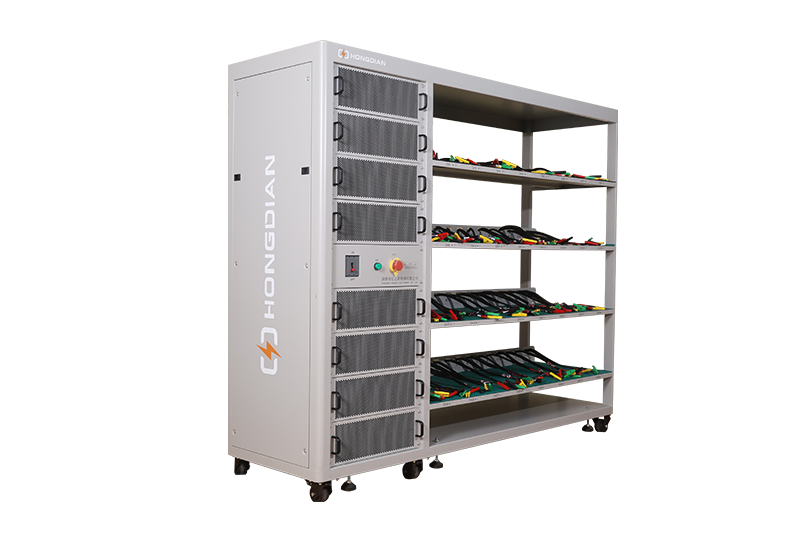 32/48 channel battery charging and discharging test integrated battery cabinet
 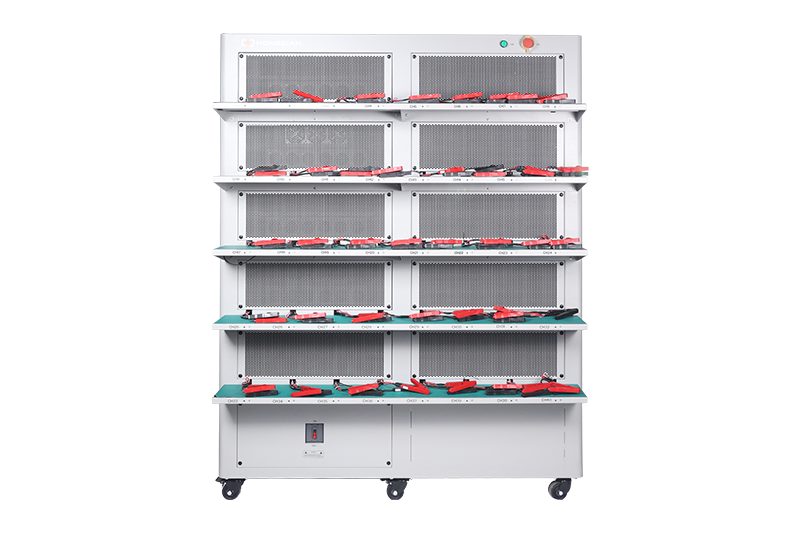 40 channel battery charging and discharging test integrated battery cabinet
  64 channel battery charging and discharging test integrated battery cabinet
 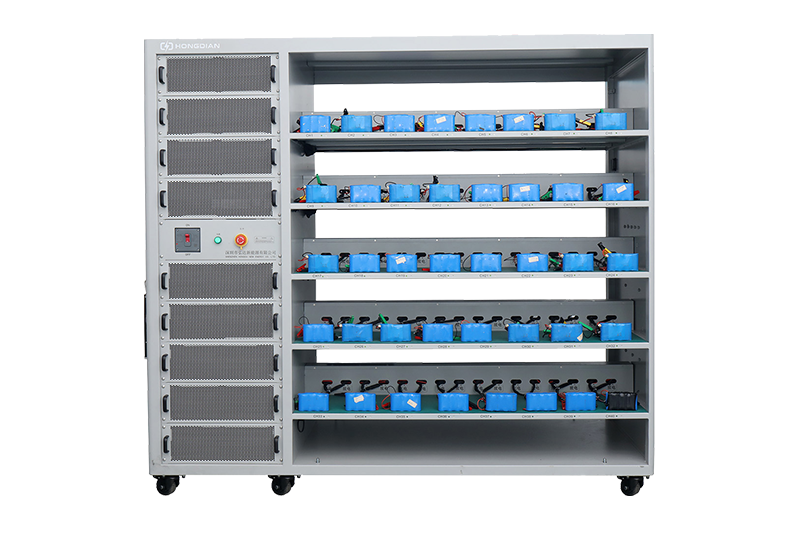 80 channel battery charging and discharging test integrated battery cabinet
 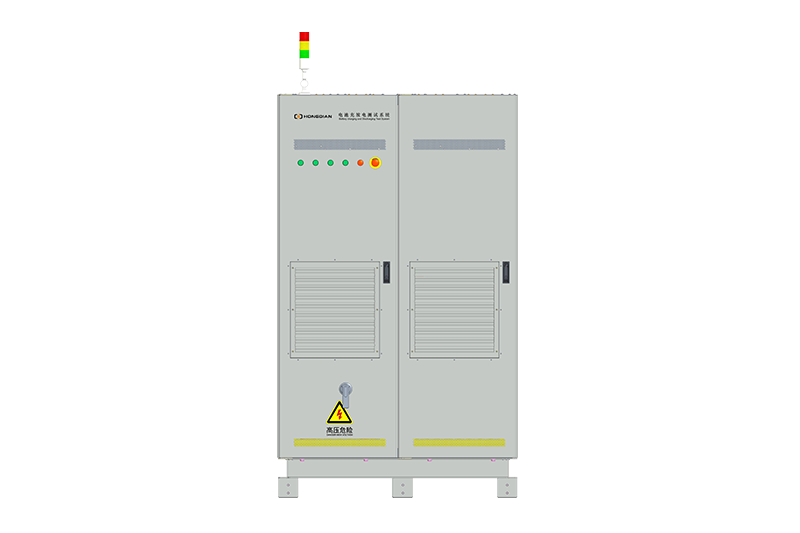 1000V-1500V High Voltage High Current Battery Testing System
 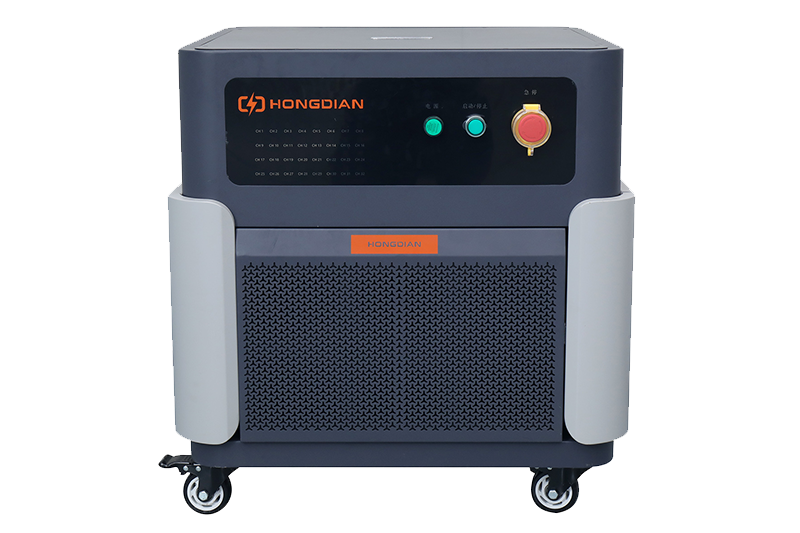 High-Precision Battery Testing System for Enhanced Performance Monitoring 30V/60V/100V/120V
 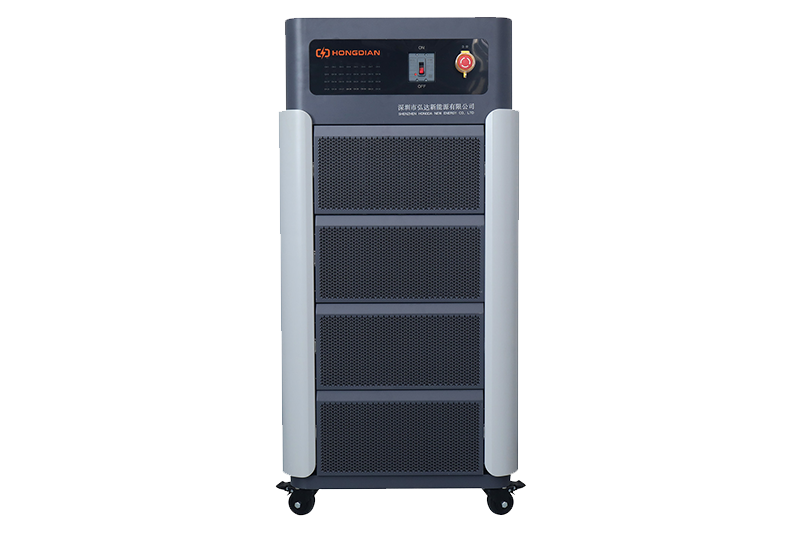 High-Precision Battery Charge Discharge Test Systems for EV Manufacturers
 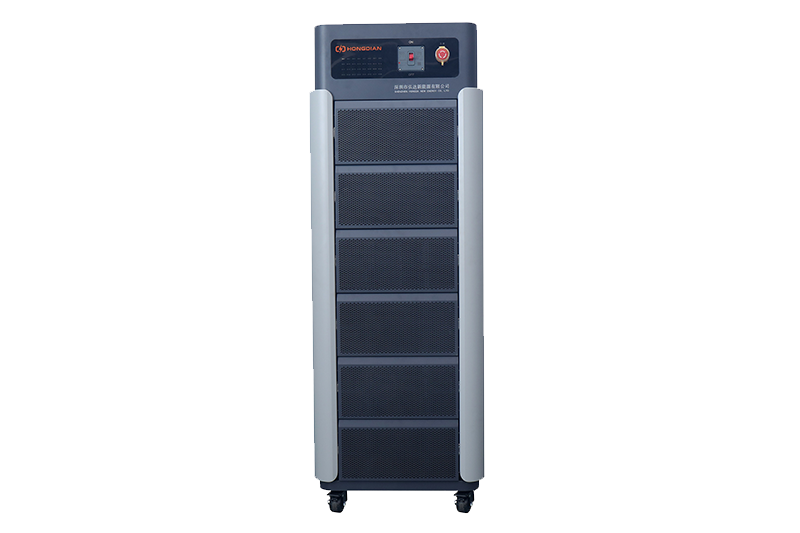 Precision Battery Test Racks for Cell Capacity & Internal Resistance Measurement
 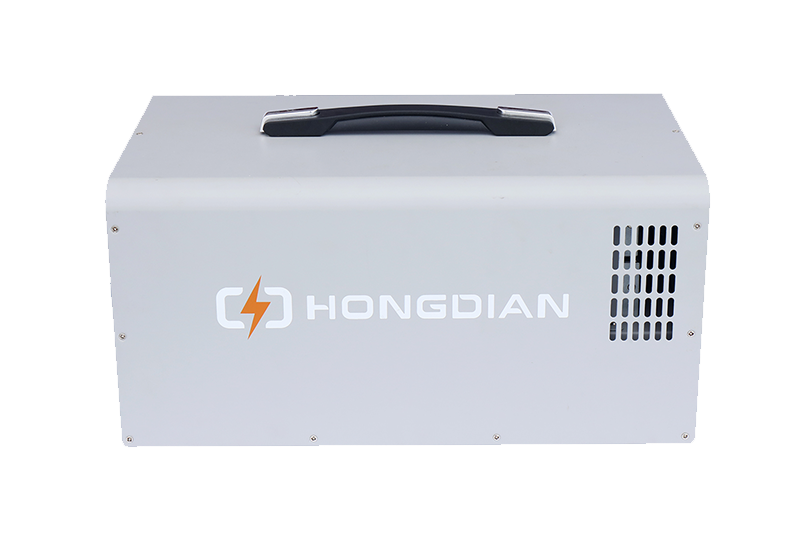 Multi-Channel Battery Testing Equipment for Parallel Performance Analysis