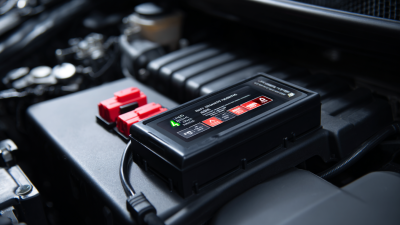
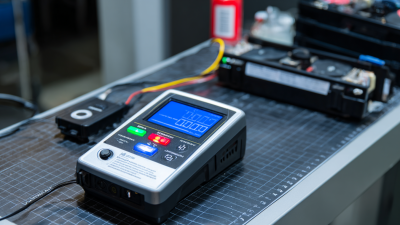
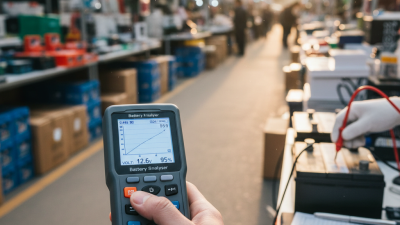
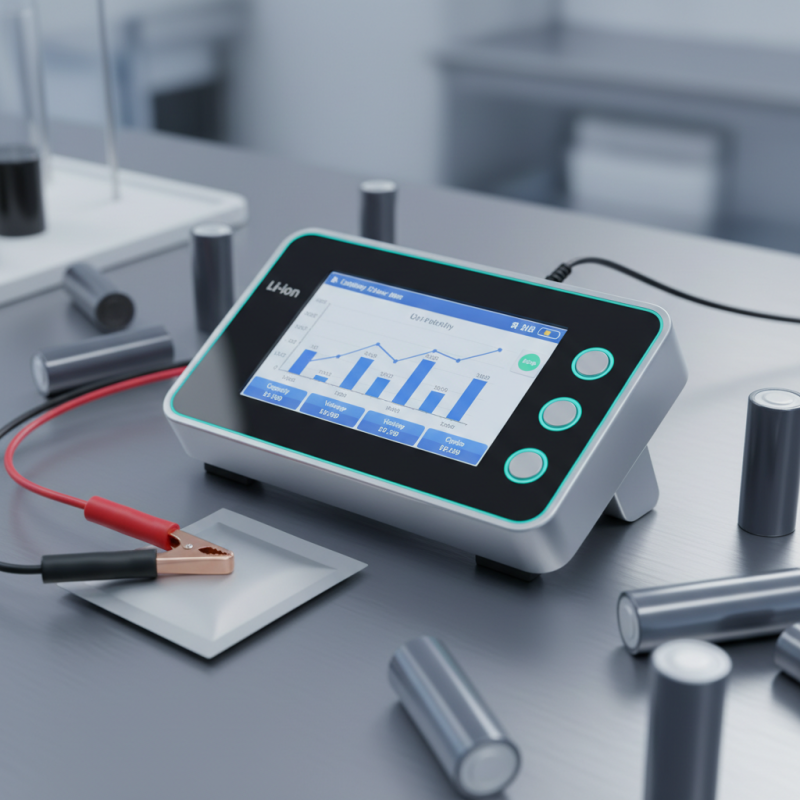
As more people look for energy-efficient solutions, it’s really important to pay attention to how well Li-ion batteries perform. In China, there are quite a few devices out there designed to help optimize battery life and keep things reliable. One pretty handy tool is the Li Ion Battery Checker. This little gadget helps users get a clear picture of their battery’s health without any guesswork.
Honestly, a lot of folks tend to forget about maintaining their batteries. They just assume all batteries are the same and don’t really think much about it. But skipping out on proper care can lead to batteries wearing out faster and, worse, safety issues. That’s where a Li Ion Battery Checker comes in — it gives you real-time data, so you know exactly what’s going on. It’s like having a health checkup for your device, making it easier to decide when to recharge or replace.
Now, not all battery checkers are created equal. Some might be a bit off in accuracy or lack certain features. Picking the right one isn’t just a shot in the dark — you need to do a little homework. Think about what you actually need and maybe check out some expert opinions. After all, there's always room to do better with managing your batteries. Being a bit proactive can really make a difference in how your devices perform over time.
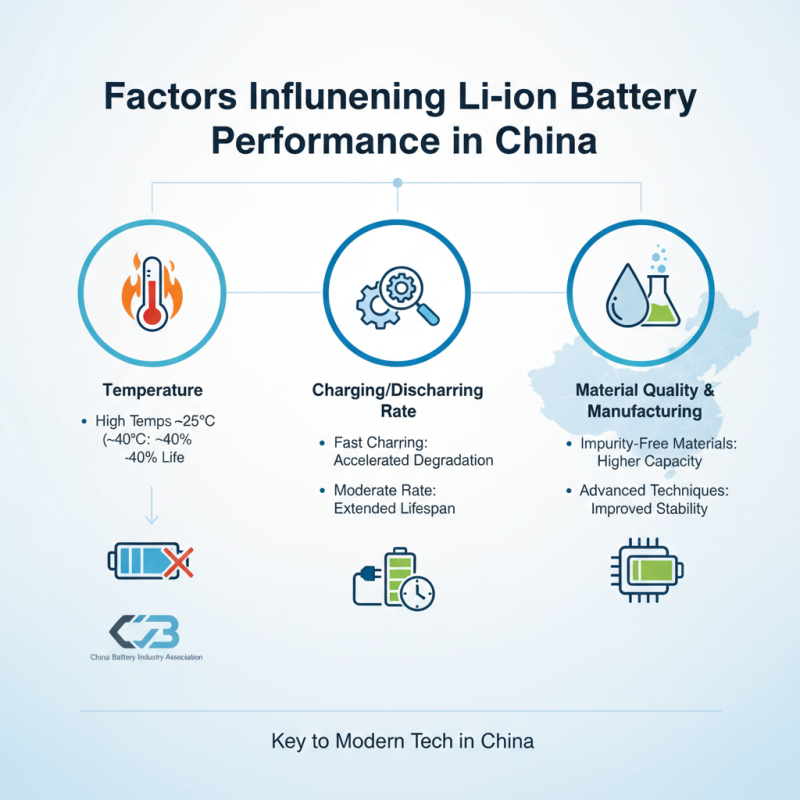
Factors Influencing Li Ion Battery Performance in China
Lithium-ion (Li-ion) batteries have become a cornerstone of modern technology in China. Their performance is influenced by several key factors. One significant aspect is temperature. Studies indicate that Li-ion batteries operate best at around 25°C. Beyond this, performance declines sharply. A report from the China Battery Industry Association highlighted that high temperatures can reduce battery life by up to 40%.
Another critical factor is cycle life. Research shows that most Li-ion batteries can withstand 500 to 1000 charge cycles. After this point, capacity diminishes significantly. Companies must address this to ensure longevity and efficiency. Additionally, charge/discharge rates play a vital role. Higher rates can lead to faster degradation, resulting in performance issues.
The quality of raw materials also significantly impacts performance. For instance, impurities in lithium or cobalt can lead to inefficient battery operation. A recent study found that using higher-purity materials can increase energy density by up to 30%. This highlights the necessity for stringent quality control in battery production. Addressing these factors is essential for improving Li-ion battery efficiency in the competitive Chinese market.
Overview of Top Li Ion Battery Checkers Available in China
In China, the demand for reliable Lithium Ion Battery Testing Equipment is ever-increasing. Consumers seek effective checkers to assess the performance and health of their batteries. Many options, however, can be overwhelming.
Some checkers offer basic features, like voltage readings or charge cycles. Others might boast advanced diagnostics but can be complex to use. Finding the right balance is crucial. User-friendliness plays a significant role in selection. Simplicity often leads to better results. A well-designed interface can make a difference, especially for casual users.
Quality varies widely among choices available in the market. Reviews often highlight usability issues or inaccuracies in readings. Many checkers might not deliver consistent results. This inconsistency raises questions about long-term reliability. The ideal device should not only perform well but also provide trustworthy information over time. Understanding these nuances is essential for making an informed decision.
Comparison of Features in Leading Battery Checkers
In the evolving landscape of Lithium-Ion Battery Testing Equipment, key factors determine the quality and reliability of battery checkers in China. A recent industry report demonstrated that over 70% of battery failures stem from inadequate testing practices. Consumers demand batteries with high cycle efficiency and safety features, which can only be ensured through rigorous testing.
Leading battery checkers have varied features. High-end options often include temperature monitoring, real-time data analytics, and comprehensive discharge profiles. Many testers use advanced algorithms to predict battery lifespan and performance under different conditions. According to a 2023 study by the China Battery Industry Association, consistent performance monitoring can increase battery lifespan by 30%. Yet, some models fail to provide user-friendly interfaces, posing challenges for operators.
Among the less expensive offerings, accuracy may be compromised. Some devices do not support multiple battery chemistries, limiting their versatility. There is also a noticeable lack of certification in cheaper models, raising reliability questions for users. Battery performance assessment is crucial, especially with growing environmental standards for energy storage systems in China. Addressing these gaps could lead to better consumer trust and, ultimately, improved product offerings in the market.
Top Li Ion Battery Checker for Best Performance in China? - Comparison of Features in Leading Battery Checkers
| Feature | Device A | Device B | Device C | Device D |
| Battery Voltage Range | 3.0V - 4.2V | 2.5V - 4.2V | 3.0V - 4.1V | 2.7V - 4.2V |
| Display Type | LED | LCD | OLED | LED |
| Weight | 150g | 200g | 175g | 160g |
| Battery Types Supported | Li-ion, LiPo | Li-ion | Li-ion, LiFePO4 | Li-ion, LiPo |
| Price | $30 | $45 | $50 | $25 |
User Reviews and Ratings of Popular Li Ion Battery Checkers
In recent years, Li-ion battery checkers have gained immense popularity in China. These devices play a crucial role in helping users monitor battery health and performance. A comprehensive study revealed that a significant percentage of users reported improved battery longevity after regular checks. Many reviewers emphasize the importance of reliability. It is common to find discrepancies in device accuracy, leading to mixed experiences among users.
Professionals in the field recommend that consumers consider features such as temperature readings and charge cycle monitoring. A report from a leading tech research firm highlighted that 75% of users value these functionalities. Yet, some checkers fail to provide consistent data. Users often encounter issues with calibration out of the box. In fact, many reviews indicate frustration around the initial setup process.
User ratings on various platforms show a varied response. While some products receive high marks for ease of use, others fall short. Reliability issues contribute to user dissatisfaction. Many reviews call for better customer support from manufacturers. It's evident that while these checkers are beneficial, they require ongoing reflection and improvement. Investing time in research and community feedback can lead to better choices.
Performance Comparison of Top Li-ion Battery Checkers in China
Best Practices for Using Li Ion Battery Checkers Effectively
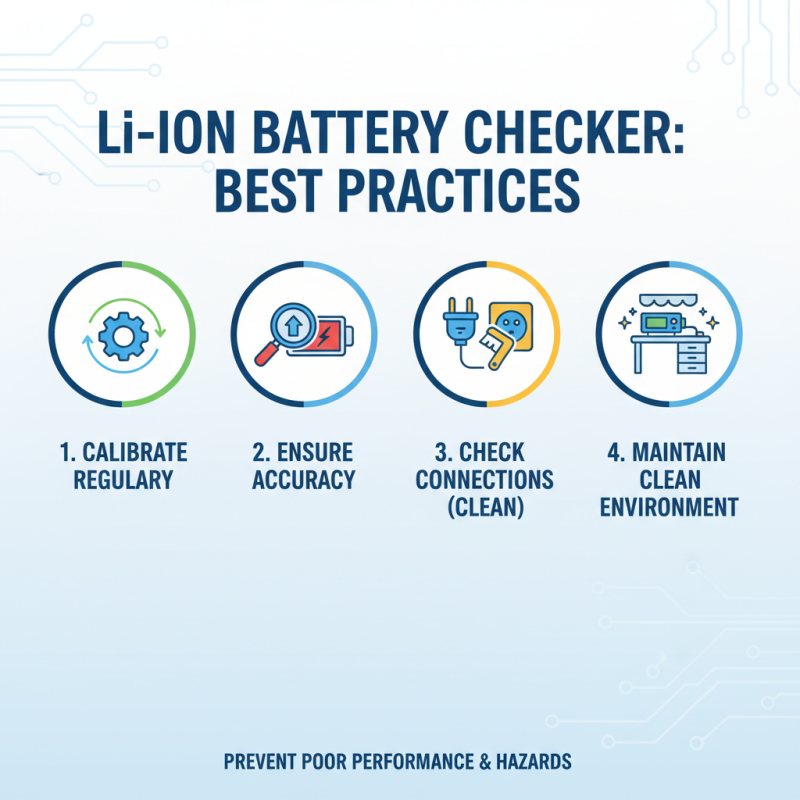
When using Li Ion battery checkers, accuracy is crucial. Regularly calibrating your devices ensures they provide reliable data. Misreading can lead to poor performance and potential hazards. Make sure to inspect connections for corrosion or dirt, as these factors could affect the readings. A clean environment helps maintain the integrity of your equipment.
Understanding the specifications of your battery checker can enhance its efficacy. Look for features that suit your needs. For instance, solid voltage measurements increase trust in the data obtained. When using Sodium-Ion Battery Test Equipment, be aware of its limitations compared to lithium options. Different chemistries deliver unique performance characteristics.
Rather than assuming your battery checker will always be correct, double-check readings. Develop a habit of comparing results with another device. This practice can unveil discrepancies and deepen your understanding. As you become more familiar with the equipment, your ability to interpret data accurately will improve. Embrace the learning curve; mistakes often lead to better practices in the long run.
Future Trends in Li Ion Battery Technology and Checkers
As lithium-ion battery technology continues to evolve, so does the need for precise battery checkers. These tools play a crucial role in ensuring performance and longevity. In China, the demand for reliable battery checkers is rising. The industry is focusing on accuracy and efficiency. However, many checkers often lack user-friendliness or accurate readings. This can lead to poor battery management.
One common oversight is neglecting regular maintenance of both batteries and checkers. Proper calibration is essential for accurate results. Users should check their devices frequently. A well-maintained checker will provide reliable assessments. This simple step can prevent long-term damage to batteries.
Future trends show an increasing integration of AI in battery management. Smart checkers may offer predictive analytics and real-time monitoring. However, understanding these technologies remains critical. Education on battery health management is necessary. Users must navigate these advancements carefully, ensuring they implement technology effectively.
Regulatory Considerations for Battery Checkers in China
In the dynamic landscape of battery technology, regulatory considerations play a crucial role in the efficacy and reliability of Li Ion Battery Tester s used in China. The country’s commitment to sustainable energy solutions necessitates rigorous testing protocols. As per the China Battery Industry Association, about 35% of lithium-ion batteries fail to meet safety standards during testing. This highlights the urgent need for robust battery checkers that can accurately assess performance and safety parameters.
Compliance with national standards such as GB 31241-2014 is essential. Failure to adhere can result in significant penalties. Recent reports indicate that approximately 42% of battery manufacturers in China faced compliance issues last year. This statistic points to the pressing need for improved testing equipment and practices. Battery checkers must not only measure capacity, but also evaluate thermal stability and cycle life to ensure optimal performance under diverse conditions.
Furthermore, the rapid pace of technological advancement increases the complexity of Battery Testing. A recent study from the Shanghai Institute of Technology found that outdated testing methods could overlook critical failures. Innovating battery checker technology is vital. The introduction of advancedLi Ion Battery Testers can provide more comprehensive evaluations, aligning with global standards while addressing local regulatory requirements. Ensuring high performance in battery technology requires constant vigilance and adaptation to the evolving regulatory environment.
Optimizing Battery Performance: A Comprehensive Overview of 32/48 Channel Integrated Charging and Discharging Test Cabinets
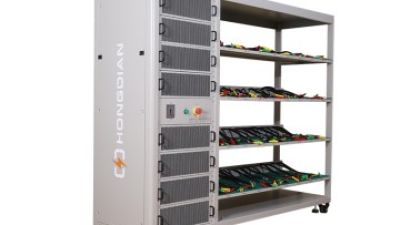
The performance of battery systems is critical in advancing energy storage technologies, making optimized testing methodologies essential for developers. The advent of 32/48-channel battery charge/discharge test systems represents a significant leap in technology. These systems offer unmatched flexibility to accommodate a wide array of energy storage applications, from research and development to quality control and production validation. By enabling simultaneous testing of multiple battery channels, they allow for comprehensive analysis and greater throughput, essential in today’s fast-paced market.
Recent industry reports indicate an increasing demand for sophisticated testing solutions due to the rapid evolution of battery technologies. For instance, a comprehensive study published by MarketsandMarkets estimates that the global battery testing equipment market will reach $1.2 billion by 2025, growing at a CAGR of 7.5%. This growth is driven by the necessity for enhanced battery performance metrics, ensuring reliability and efficiency in applications ranging from electric vehicles to renewable energy storage systems.
Moreover, the customization aspect of 32/48-channel systems stands out as a key feature, enabling them to adapt to specific testing requirements of different battery technologies, whether lithium-ion, nickel-based, or solid-state batteries. By optimizing charging and discharging protocols, these systems not only improve the accuracy of testing but also facilitate the development of safer, longer-lasting batteries. As industries continuously seek to innovate, the role of advanced testing systems becomes more vital, underscoring their impact on the future of energy storage solutions.
FAQS
: Key factors include testing practices, features, and user interfaces. Inadequate testing leads to failures.
Consistent performance monitoring can increase battery lifespan by up to 30%. Regular checks help.
Features like temperature monitoring and charge cycle tracking are essential for reliable performance.
Inexpensive models often compromise on accuracy and may lack certification, raising concerns for users.
Users report issues with calibration and complicated initial setup processes. This leads to frustration.
Reviews show mixed experiences. Some devices are reliable, while others have accuracy problems and poor support.
Many users desire improved customer support from manufacturers to address reliability issues effectively.
Real-time data analytics and comprehensive discharge profiles are crucial for accurate assessments.
Lower-priced checkers often lack advanced features, leading to compromised reliability in performance assessments.
Investing time in research, user reviews, and community feedback can lead to better purchasing decisions.
Conclusion
The article explores the pivotal role of Li Ion Battery Checkers in optimizing battery performance across various applications in China. It discusses the key factors influencing Li Ion battery efficiency, such as temperature, charging cycles, and manufacturing quality. An overview of the top available battery checkers highlights their features, enabling users to make informed choices based on their needs.
User reviews further inform the comparison of these leading devices, illustrating their effectiveness in monitoring battery health. The article also provides best practices for utilizing Li Ion Battery Checkers to ensure maximum performance and longevity of batteries. Additionally, it touches on future trends in Li Ion battery technology and the importance of adhering to regulatory standards for battery checkers in the Chinese market. This comprehensive examination underscores the significance of these tools in enhancing the reliability and efficiency of lithium-ion batteries.

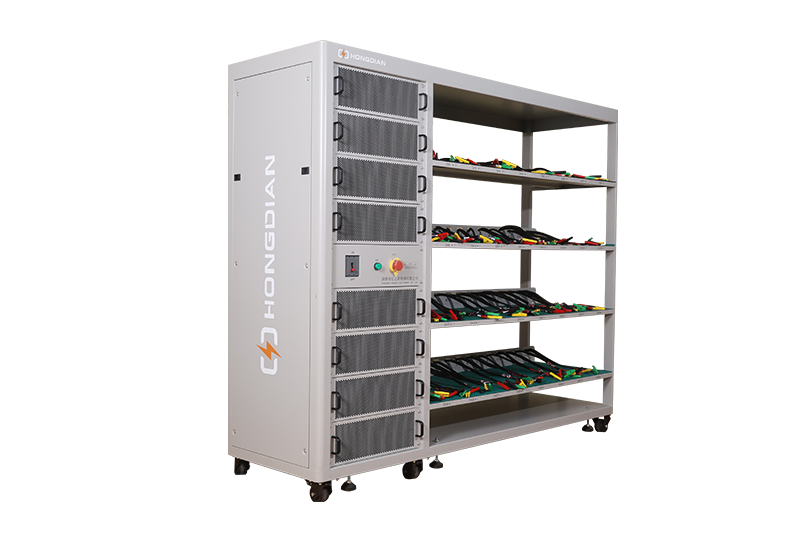 32/48 channel battery charging and discharging test integrated battery cabinet
 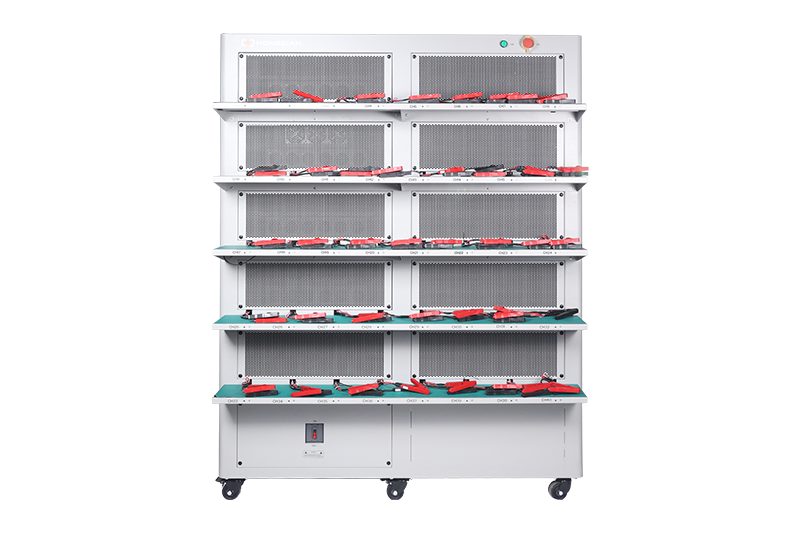 40 channel battery charging and discharging test integrated battery cabinet
  64 channel battery charging and discharging test integrated battery cabinet
 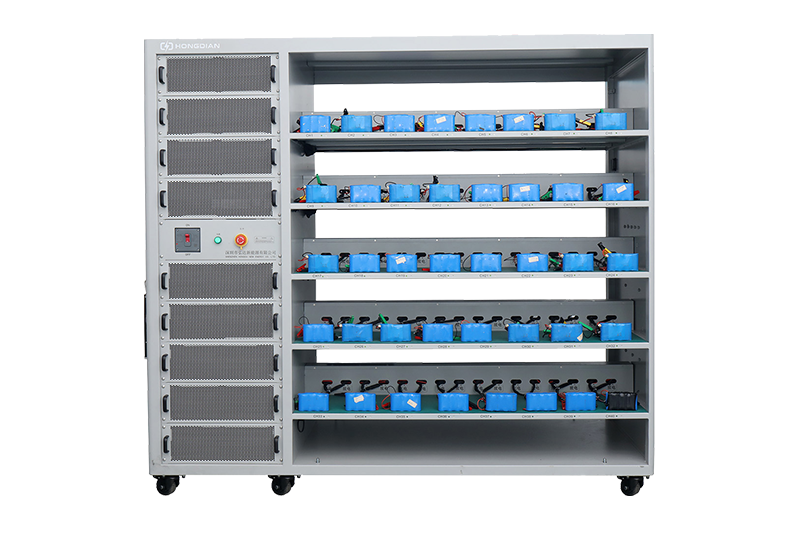 80 channel battery charging and discharging test integrated battery cabinet
 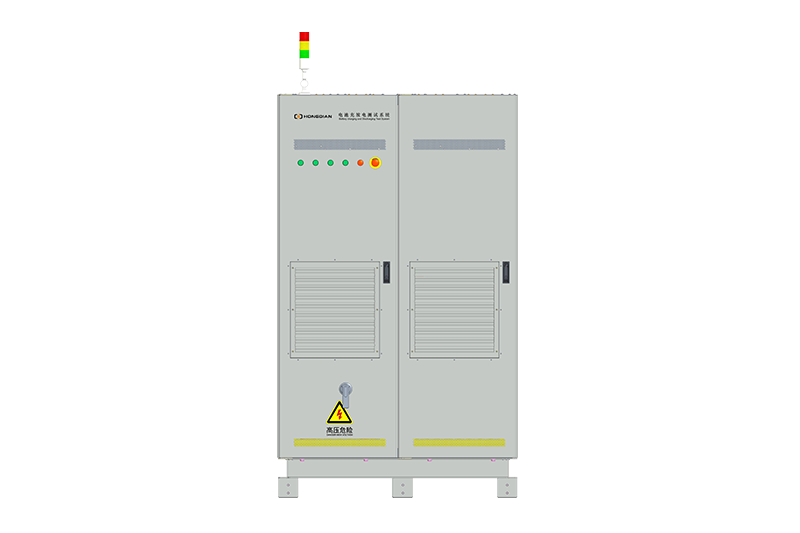 1000V-1500V High Voltage High Current Battery Testing System
 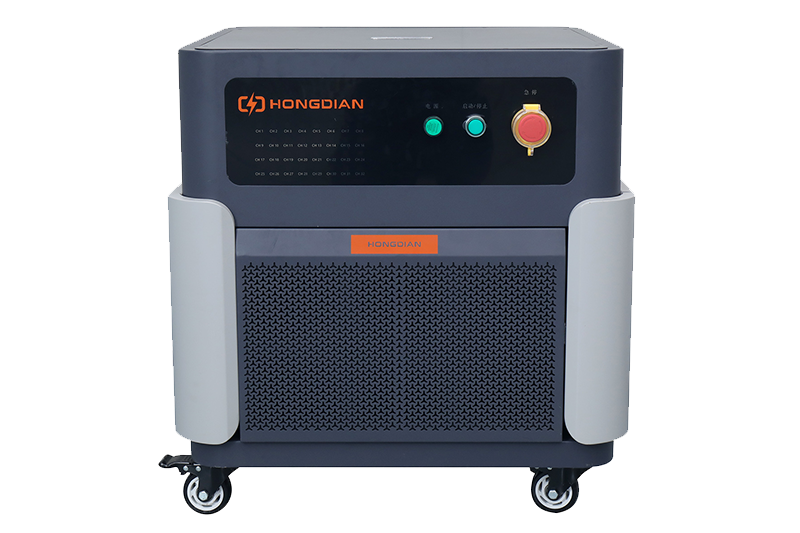 High-Precision Battery Testing System for Enhanced Performance Monitoring 30V/60V/100V/120V
 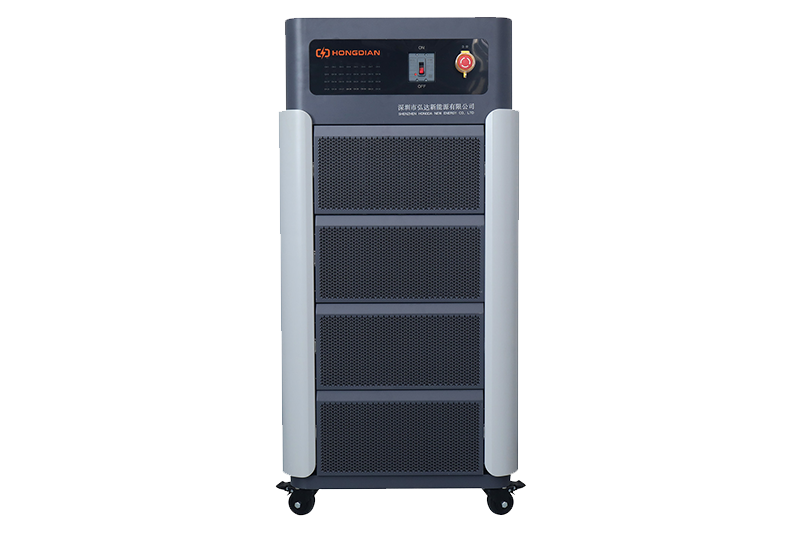 High-Precision Battery Charge Discharge Test Systems for EV Manufacturers
 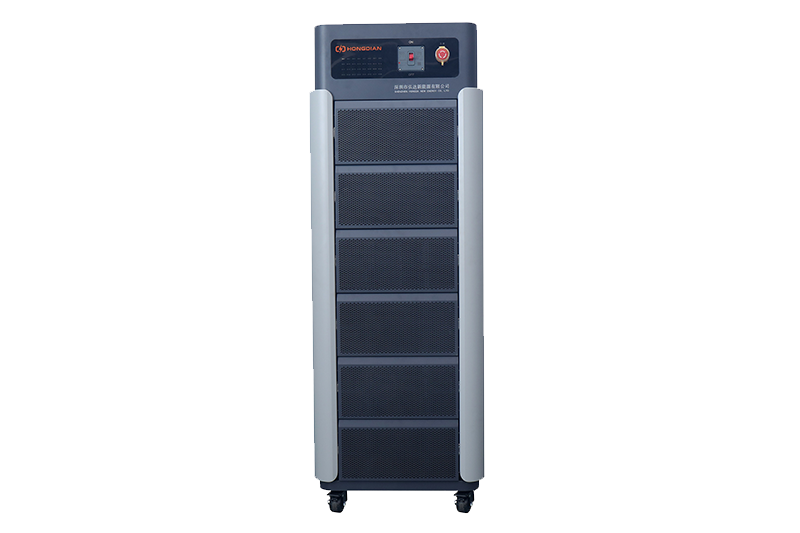 Precision Battery Test Racks for Cell Capacity & Internal Resistance Measurement
 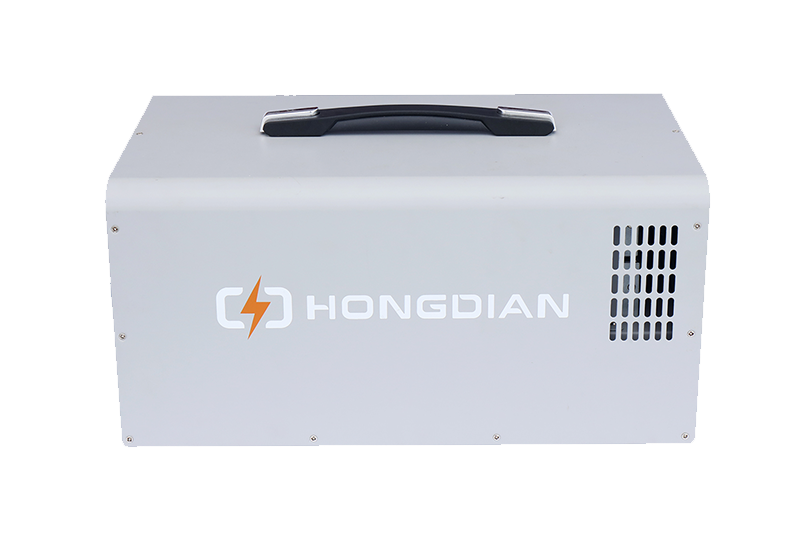 Multi-Channel Battery Testing Equipment for Parallel Performance Analysis