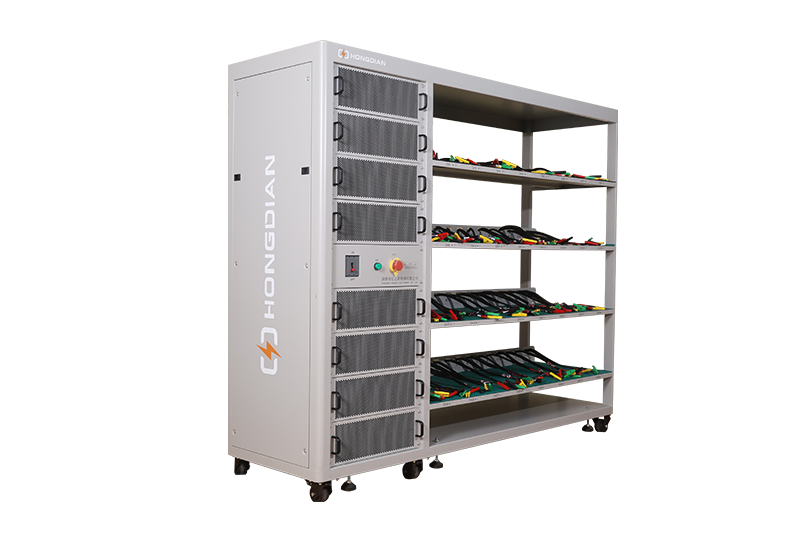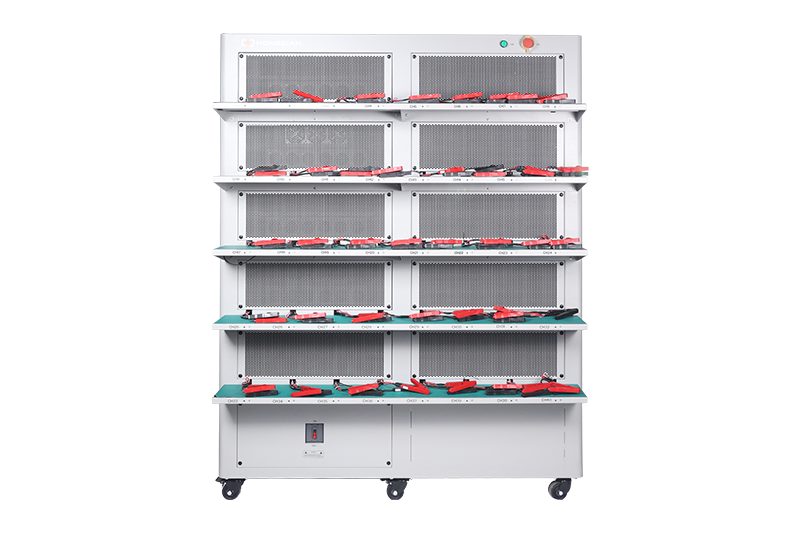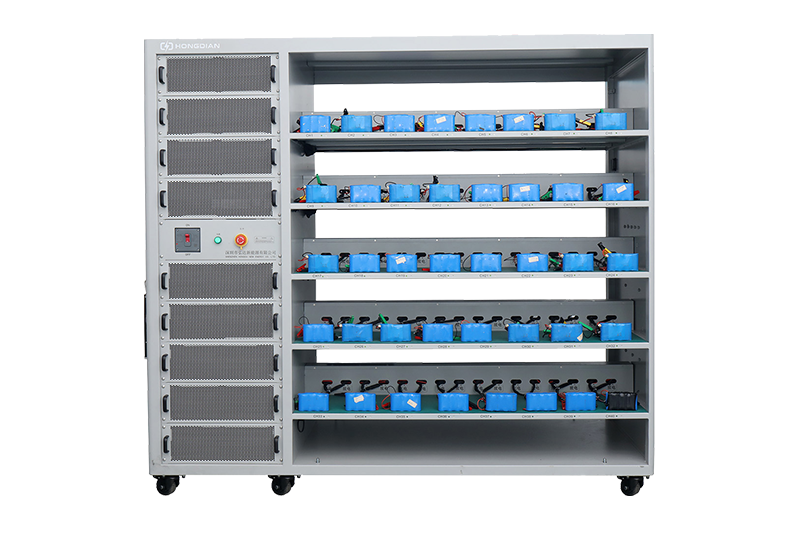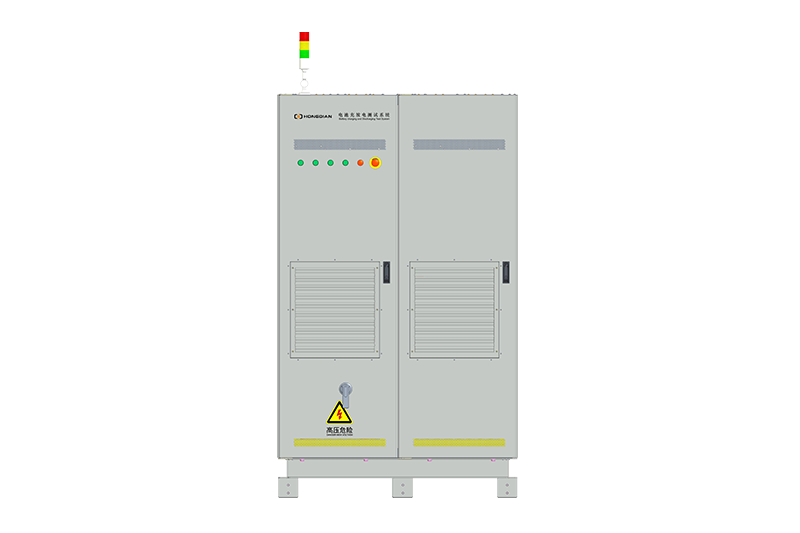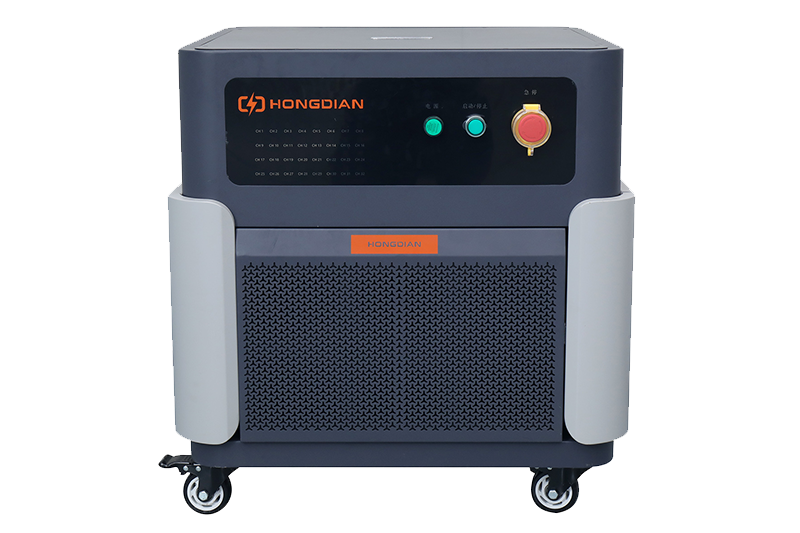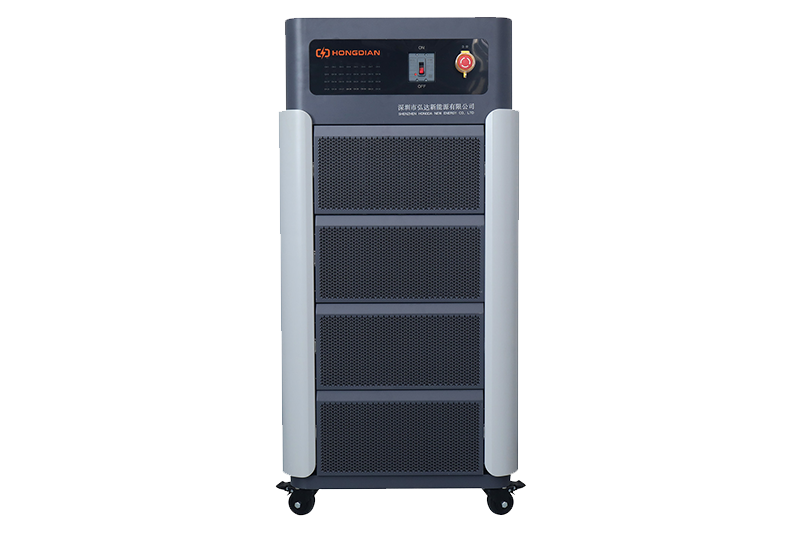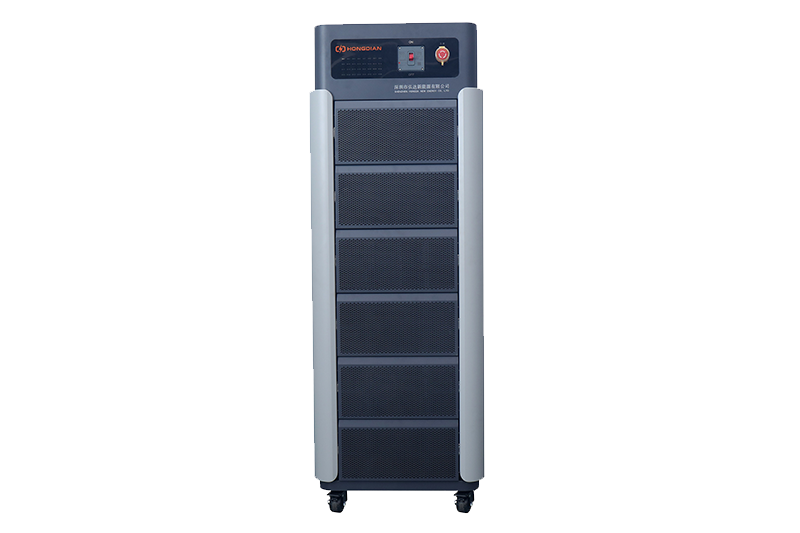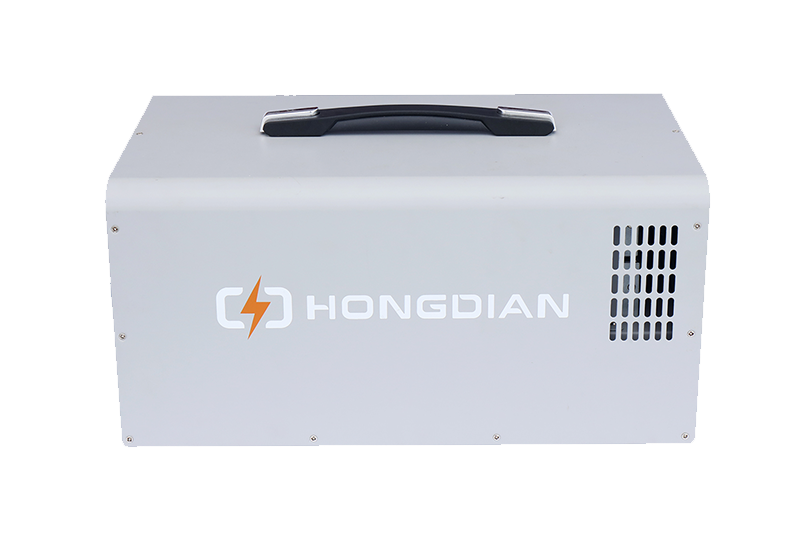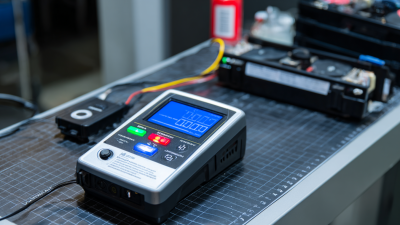
32/48 channel battery charging and discharging test integrated battery cabinet
40 channel battery charging and discharging test integrated battery cabinet
64 channel battery charging and discharging test integrated battery cabinet
80 channel battery charging and discharging test integrated battery cabinet

These days, as battery tech keeps changing so fast, the Battery Cell Cycleris becoming more and more important. I mean, industry expert Dr. Emily Chen from PowerTech Solutions really points this out—she says, “How efficient your Battery Cell Cycler is can make a big difference in how long your battery cells last.” That just goes to show how crucial it is to stay on top of market trends and pricing when it comes to these key tools.
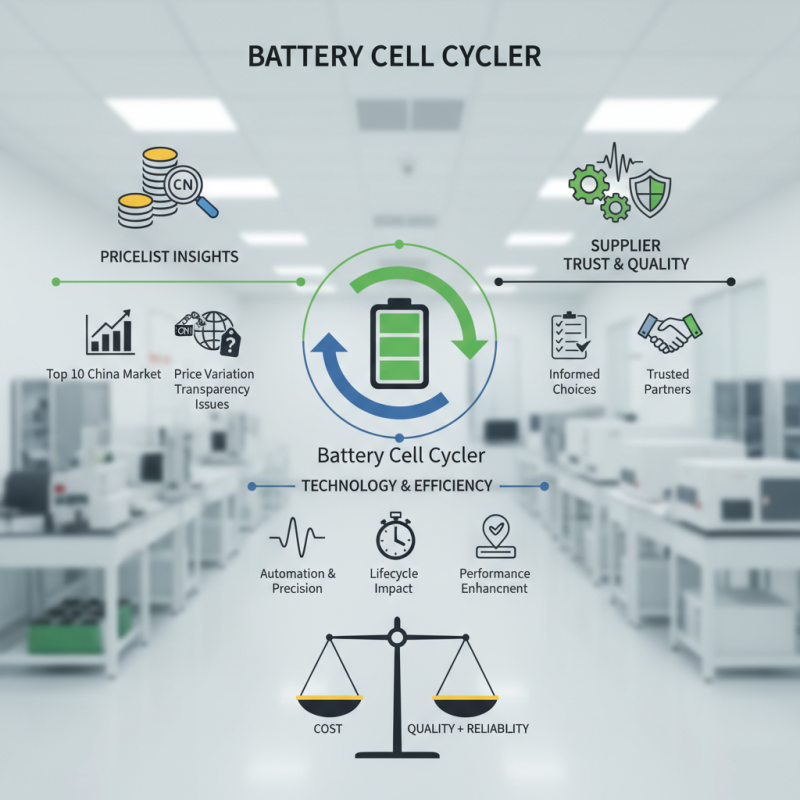
If you check out the Top 10 Wholesale China Battery Cell Cycler Pricelist, you'll find some pretty valuable insights. Different manufacturers are offering all kinds of specs, so prices can be all over the place. Picking the right cycler isn’t just about saving some bucks — you gotta think about quality and reliability too. Recently, we've seen a real shift toward more automated, high-precision cycling systems that boost performance. As companies push for innovation, making thoughtful, informed choices is more important than ever.
Of course, navigating all this can be a bit tricky. Prices aren’t always crystal clear, which can lead to some risks. That’s why it’s so important to work with trusted suppliers. As the market for battery tech gets hotter, making sure your investment in a Battery Cell Cycler pays off is key. Balancing cost, quality, and dependable suppliers is something a lot of folks are thinking about — it’s kind of a juggling act, really.
Battery cell cyclers play a crucial role in the lithium-ion battery manufacturing process. These devices allow for the testing and cycling of battery cells, ensuring their reliability and efficiency. In China, the market for battery cell cyclers is rapidly expanding due to the high demand for electric vehicles and renewable energy solutions. These testing systems facilitate the charge and discharge cycles needed for performance evaluation.
Understanding the technology behind battery cell cyclers is essential for manufacturers. These systems not only provide data on battery performance but also highlight potential issues during the manufacturing process. Fluctuations in performance analytics can indicate areas needing improvement. The results can drive innovation, leading to enhanced battery designs that meet consumer expectations.
While China has made advancements in battery cell technology, challenges remain. Issues like scalability and accuracy in testing processes are crucial. The competition in the market also pushes manufacturers to enhance their offerings continually. Effective battery cell testing and cycling can lead to more sustainable energy solutions. However, the drive for lower costs sometimes compromises quality, requiring careful consideration. A balanced approach to both performance and reliability is vital in this dynamic industry.
| Model | Price (USD) | Max Current (A) | Voltage (V) | Cycle Life | Warranty (Years) |
|---|---|---|---|---|---|
| Cycler A | $2,500 | 30 | 3.7 | 2000 | 2 |
| Cycler B | $3,000 | 40 | 3.6 | 3000 | 1.5 |
| Cycler C | $1,800 | 20 | 3.7 | 1500 | 2 |
| Cycler D | $2,200 | 25 | 3.7 | 2500 | 2 |
| Cycler E | $3,500 | 50 | 3.6 | 3500 | 1 |
| Cycler F | $2,800 | 35 | 3.7 | 2200 | 1.5 |
| Cycler G | $2,100 | 28 | 3.6 | 1800 | 2 |
| Cycler H | $3,200 | 45 | 3.7 | 3000 | 1 |
| Cycler I | $2,900 | 38 | 3.6 | 2600 | 1.5 |
| Cycler J | $2,400 | 32 | 3.7 | 2300 | 2 |
The wholesale market for battery cell cyclers is growing rapidly. As more companies integrate renewable energy solutions, the demand for efficient testing devices rises. Battery cell cyclers are crucial for assessing battery performance and longevity. They help manufacturers ensure product quality before market release.
In terms of pricing, the market shows varied ranges, influenced by specifications, technology, and capacity. Basic models may start at affordable rates, while advanced versions can reach higher prices. Manufacturers often need to balance features with budget constraints. It's important to analyze what is essential for your testing requirements.
Navigating the wholesale market can be tricky. There are many suppliers, and not all provide reliable products. Some devices might lack the durability needed for commercial use. Always assess the credibility of suppliers before making purchases. Ensuring proper calibration and maintenance also plays a significant role in prolonging equipment lifespan.
The pricing of battery cell cyclers in China is influenced by various factors. First, the technology used in these devices plays a significant role. Advanced Battery Cyclers with better accuracy and functionality tend to be pricier. Additionally, the materials involved in the manufacturing process impact costs. High-quality components contribute to increased durability, affecting the final price.
Another key factor is the scale of production. Companies producing at a larger scale often enjoy lower manufacturing costs. This allows them to offer competitive prices. However, small manufacturers might struggle with high costs, leading to higher prices for their Battery Cyclers. Market demand also plays a role, as fluctuations can lead to price changes. When demand spikes, prices may increase significantly.
**Tips:**
When purchasing a battery cycler, consider total cost and features. Prioritize quality over price to ensure longevity. Research multiple suppliers to find the best value. Don't overlook after-sales support, as this can save costs in the long run. Finding the right balance can be challenging, but it's essential for long-term satisfaction.
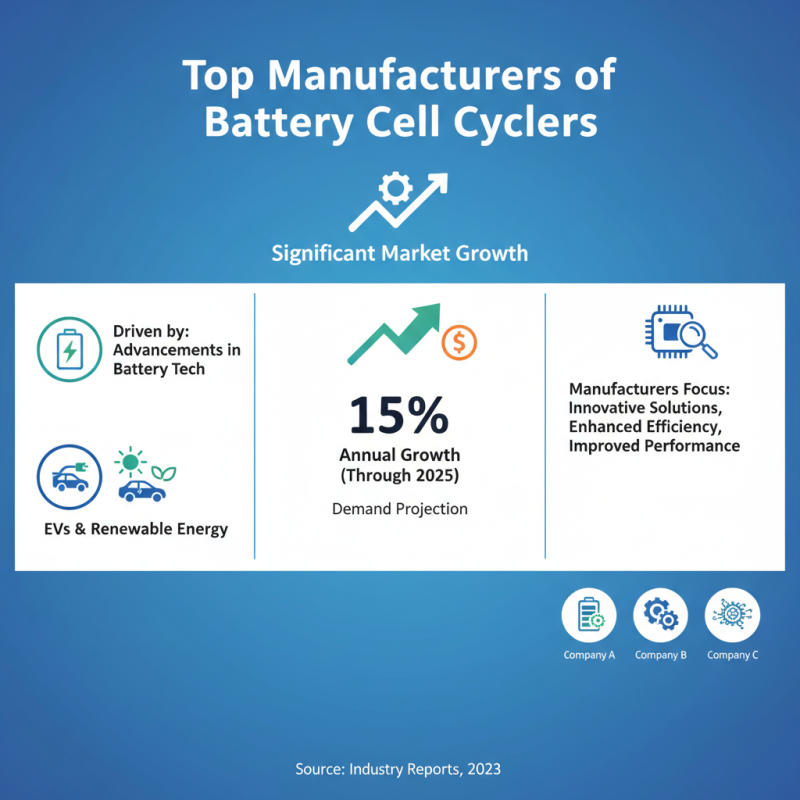
The battery cell cycler market has seen significant growth, driven by advancements in battery technology. Manufacturers are now focusing on innovative solutions to enhance efficiency and performance. Industry reports indicate that the demand for battery cell cyclers is projected to increase by over 15% annually through 2025. This growth is fueled by the rising need for electric vehicles and renewable energy systems.
Leading manufacturers are investing heavily in research and development. They aim to produce cyclers that offer higher precision and reliability. Many suppliers prioritize state-of-the-art technology to ensure accurate testing and charging cycles. For instance, recent developments have improved the lifespan of battery packs by nearly 20%. This is critical, considering the growing concern over battery sustainability.
While many manufacturers are competitive, some challenges remain. The evolving technology landscape means companies must adapt quickly. Not all manufacturers maintain the same high standards. Quality control could vary significantly. Reports highlight that inconsistencies in testing could lead to substantial performance discrepancies. As the market continues to expand, navigating these challenges will be crucial for sustained success in the battery cell cycling industry.
When exploring battery cell cycler pricelists, a detailed comparative analysis reveals intriguing insights. Different manufacturers provide various pricing structures for their equipment. These variations can stem from factors like technology, capacity, and durability. For instance, some price lists are heavily influenced by the grade of the components used in the cyclers.
In the realm of Ev Battery Cycler options, prices can differ even more. Units designed for electric vehicles typically command higher prices due to their advanced features. Users are often left wondering if the extra cost translates into significant performance benefits. A deeper look into specifications is necessary to verify this. Assessing the value of features against their price can be challenging.
Quality, reliability, and efficiency should be the determining factors in any procurement decision. However, it’s essential to recognize gaps in available data. Many listings lack comprehensive details on warranty, service, or after-sales support. Without this information, comparisons become imprecise. This lack of transparency sometimes makes informed choices difficult, prompting buyers to question their options thoroughly.
When considering a battery cell cycler, it's crucial to evaluate key features. Look for models that offer precise charging and discharging capabilities. Accurate measurements are essential for cell testing. Not all battery cyclers provide consistent data. Variations can lead to misleading results. Choose a cycler with a reliable calibration process to enhance accuracy.
Another critical feature is the cycler’s capacity. Determine the voltage and current limits suitable for your needs. A well-rated cycler can handle a range of battery types. Make sure the device is compatible with different chemistries. Some cyclers struggle with specific battery types. Investigate user reviews for insights on performance issues.
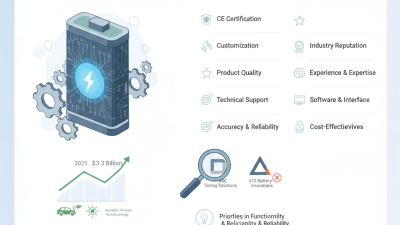
Safety features should not be overlooked. A Ce-Certified Battery Cycler ensures compliance with industry standards. Check for over-current and over-temperature protection. These features protect your equipment and increase longevity. You may also want to consider the software integration. Easy-to-use interfaces can simplify data management. Look for feedback from existing users to gauge reliability and functionality. Engaging with community discussions can reveal common pitfalls and strengths associated with various models.
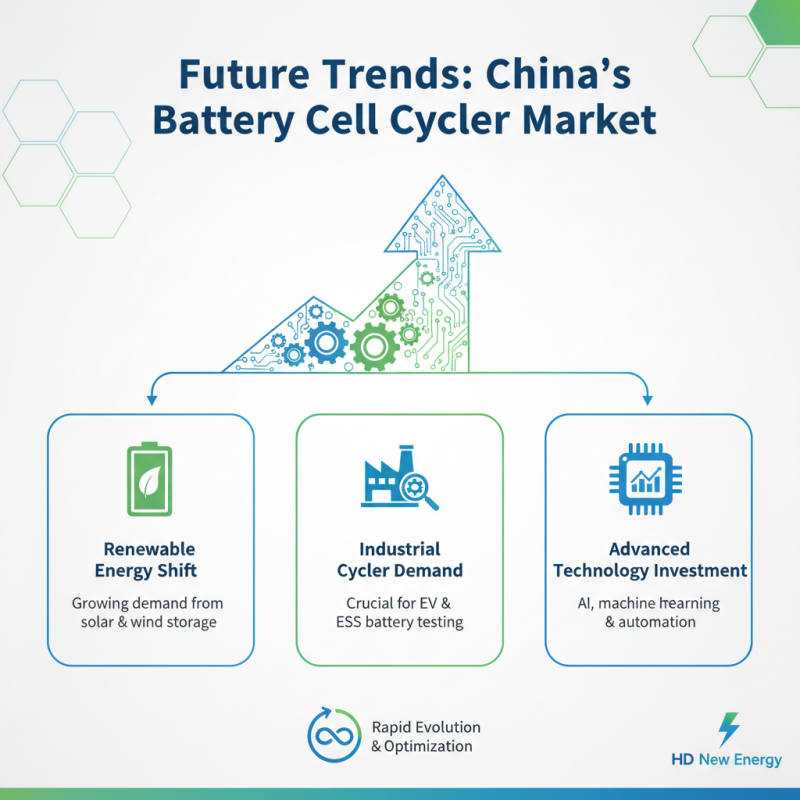
The battery cell cycler market in China is evolving rapidly. As more industries shift towards renewable energy, demand for Industrial Battery Cycler solutions increases. Companies are investing in advanced technologies to optimize efficiency. This trend shows no signs of slowing down.
The rise of electric vehicles (EVs) is driving the need for robust Battery Testing equipment. Manufacturers prioritize reliability and performance in their products. However, challenges exist. Inconsistent quality among suppliers can hinder progress. Companies must carefully vet potential partners to ensure they meet the necessary standards.
Sustainability is also a hot topic. Many manufacturers are exploring eco-friendly options to attract consumers. Implementing circular economy practices may require significant adjustments. Balancing innovation with sustainability poses a challenge that requires constant reflection from industry leaders.
The advent of innovative high-precision battery charge and discharge test systems marks a significant leap forward in the efficiency and reliability of electric vehicle (EV) manufacturing. By utilizing advanced testing equipment, manufacturers can ensure that their batteries are thoroughly vetted for performance and safety, which is crucial for consumer confidence in electric vehicles. These systems are meticulously designed to handle the increasing demands of battery testing as the EV industry expands.
One such system is the 18U cabinet, which provides an optimal solution for high-capacity battery testing. With its expansive space and flexibility to accommodate multiple testing channels, it can support battery voltages ranging from 30V to 120V, making it versatile for various battery types. The configuration allows for up to 32 channels, enabling extensive simultaneous testing, which ultimately speeds up the production process. This capability not only enhances manufacturing efficiency but also ensures that every battery meets the strict quality standards required in today’s competitive EV market.
Incorporating these innovative test systems into the manufacturing workflow can lead to a significant reduction in time and resources spent on battery evaluation. Manufacturers can swiftly identify and rectify any performance issues before the batteries reach the end-consumer, thereby improving reliability and safety. As the push for electric mobility continues, embracing high-precision testing solutions will play a pivotal role in shaping the future of sustainable transportation.
: The technology, materials, and production scale significantly affect battery cell cycler prices.
Advanced technology enhances accuracy and functionality, which typically raises the price.
Larger production scales lead to lower manufacturing costs, enabling competitive pricing.
Fluctuations in demand can cause price changes. Higher demand often leads to significant price increases.
Look for precise charging capabilities, accurate measurements, and broad capacity for different battery types.
Safety features like over-current protection help prevent damage and ensure longevity.
Checking user reviews and community feedback can reveal performance insights and common issues.
Easy-to-use software interfaces can simplify data management and enhance user experience.
Yes, investing in quality ensures durability and long-term satisfaction, despite higher initial costs.
Good after-sales support can save you costs and improve your user experience down the line.
The article "Top 10 Wholesale China Battery Cell Cycler Pricelist Insights" provides a comprehensive look into the battery cell cycler market in China. It begins with an introduction to what battery cell cyclers are and their significance in the energy storage industry. The overview of wholesale markets reveals how competitive pricing and sourcing strategies play a vital role for buyers. Key factors influencing battery cell cycler prices include technological advancements, production costs, and market demand.
Additionally, the article highlights the top manufacturers in the industry and presents a comparative analysis of various pricelists to help potential buyers make informed decisions. Key features to consider when purchasing a battery cell cycler, such as capacity, efficiency, and durability, are discussed. Lastly, it touches on future trends that may shape the battery cell cycler market in China, including innovations in technology and increasing environmental regulations, suggesting a dynamic landscape ahead for this essential equipment.